
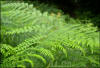
Bracken (Pteridium aquilinum (L.) Kuhn) is often an unwelcome plant that has
spread into many of the upland areas of Wales, including the Senni Valley. It is
an invasive weed with a detrimental effect on ecosystems. It limits animal and
human access, smothers other plants, reduces grazing and may have harmful seeds, and hold ticks that can transmit diseases. However, it benefits in some locations see Soper D. (1996) Bracken: an interdisciplinary issue. Pesticide Outlook 7: 16–20.
It is difficult to eradicate and control, but this can be attempted by
crushing young shoots (the modern preferred method), and/or by regular cutting.Chemical treatmentwith Asulam, which was used for 45 years from 1974, has been banned since 31/10/2019 in the E.U including the U.K.
Crushing: Most commonly, a roller is used to damage young bracken shoots. Plant energy is then used for repair and not growth. When used for several years, bracken disappears. Rollers include the Landbase 'Brackenbruisers'.
Asulam [methyl (4-aminophenyl sulfonyl) carbamate] was the systemic herbicide used previously, in many parts of the world, to kill and control the spread of bracken. It was applied as the water-soluble sodium salt Asulox. It was approved for large-scale aerial use in 1974, but it has been banned since 31/10/2019.
Page updated 10/02/2022